
In recent years, museums worldwide—and especially in China—have experienced a vibrant renaissance through the cultural creative (wen chuang) movement. Once seen as solemn guardians of the past, these institutions have transformed into dynamic cultural hubs where ancient artifacts inspire everything from fashion accessories and stationery to home décor and playful collectibles. The Palace Museum’s creative products, for instance, have captured the imagination of millions, blending timeless motifs with contemporary design. Yet behind the scenes, one unassuming material is quietly revolutionizing how we experience these treasures: acrylic.
Acrylic display stands have become essential tools in making historical relics feel immediate, accessible, and alive. Their exceptional optical clarity—allowing over 92% light transmission—creates the magical illusion that artifacts are suspended in mid-air. Without bulky bases or distracting frames, visitors can focus entirely on the beauty, craftsmanship, and stories embedded in each object.
Unlike traditional glass or wood displays, acrylic offers a perfect balance of strength and lightness. It weighs roughly half as much as glass while being far more resistant to impact, reducing risks in busy exhibition spaces. Museums appreciate its flexibility too. Acrylic can be precisely cut, bent, or molded into custom shapes that perfectly complement specific artifacts—whether it’s a slender pedestal that highlights the graceful curves of a Song Dynasty porcelain or a multi-tiered riser that groups related items into an engaging narrative.
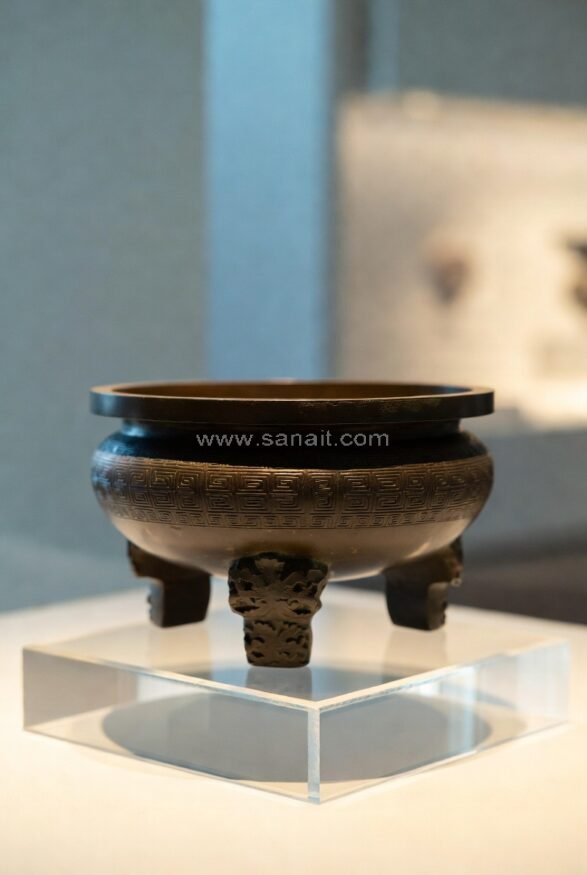
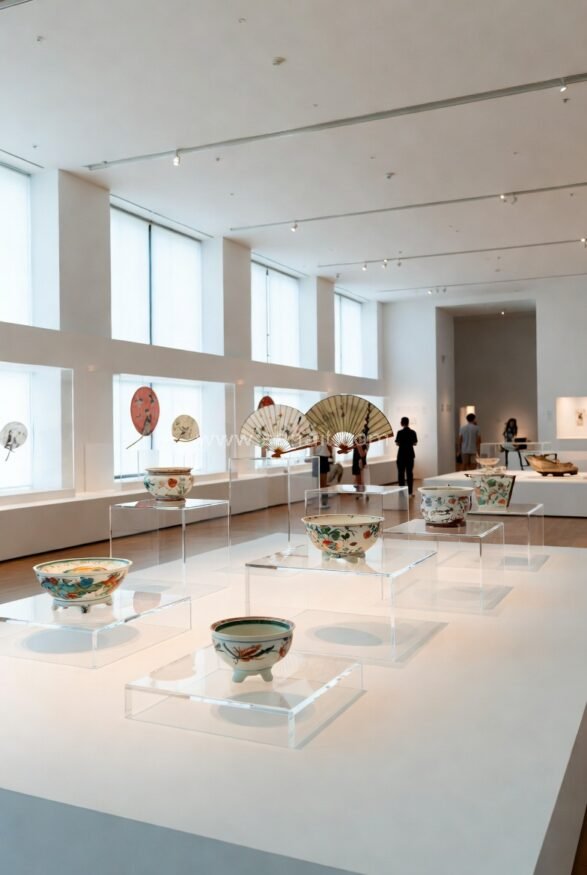
One of the most striking effects is how these transparent stands enhance visual storytelling. When a delicate celadon vase or an intricately carved jade piece is elevated on crystal-clear acrylic, it seems to float with an almost ethereal quality. Integrated LED lighting from below or behind can gently illuminate details that might otherwise be missed, breathing new energy into centuries-old objects. Visitors often stop longer, take photos from different angles, and engage more deeply with the accompanying explanations—turning passive viewing into an active, memorable experience.
This revitalization extends naturally into museum retail spaces, where wen chuang products fly off the shelves. Acrylic display fixtures help transform ordinary gift shops into inviting showcases. Tiered stands and clear risers create attractive visual hierarchies, making small items pop while keeping the overall display neat and dust-free. A cleverly arranged collection of cultural notebooks, enamel pins, or miniature replicas draws shoppers in and tells a cohesive story that connects back to the exhibition they just enjoyed. Many curators and shop managers note that well-designed acrylic displays significantly boost both dwell time and sales.
Beyond aesthetics, acrylic meets the strict requirements of cultural heritage preservation. High-quality acrylic is chemically inert, resistant to yellowing, and can incorporate UV protection to safeguard light-sensitive materials. Its durability also means fewer accidental damages during installation or visitor interactions, providing peace of mind for conservation teams.
As the wen chuang phenomenon continues to grow, innovative acrylic solutions are helping museums strike the perfect balance between tradition and modernity. Custom designs can incorporate subtle thematic elements—perhaps faint engraved patterns echoing ancient motifs or stands shaped like traditional architectural features—adding layers of meaning without overwhelming the artifacts themselves.
Looking ahead, the combination of acrylic with smart technology opens exciting new possibilities. Imagine display stands with embedded sensors that trigger soft ambient lighting or gentle audio descriptions as visitors approach, creating an even more immersive journey through history.
In the end, acrylic display stands may appear as simple supporting actors, yet they play a crucial role in the cultural creative boom. By offering unmatched transparency, versatility, and elegance, they help bring dormant relics back to vibrant life—allowing new generations to connect with China’s rich heritage in fresh, meaningful ways. In doing so, they remind us that the best museum experiences don’t just preserve the past; they make it feel wonderfully present.
 English
  Deutsch
  Italiano
  Français
  Español